
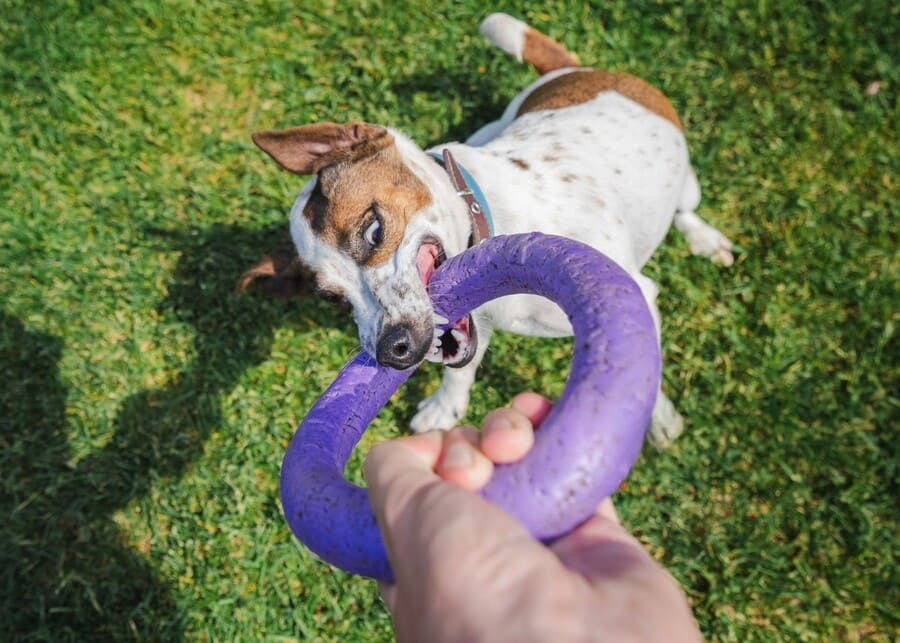
We’re always asked, "What’s the best tug of war dog toy?" The truth? It’s not a brand name. It’s a product built with the right materials, construction, and design.
The "best" tug of war dog toy isn’t a specific brand. It’s a product that excels in three key areas: Material, Construction, and Design. As a manufacturer, understanding how these elements work together is the secret to creating a toy that flies off the shelves and builds your brand.
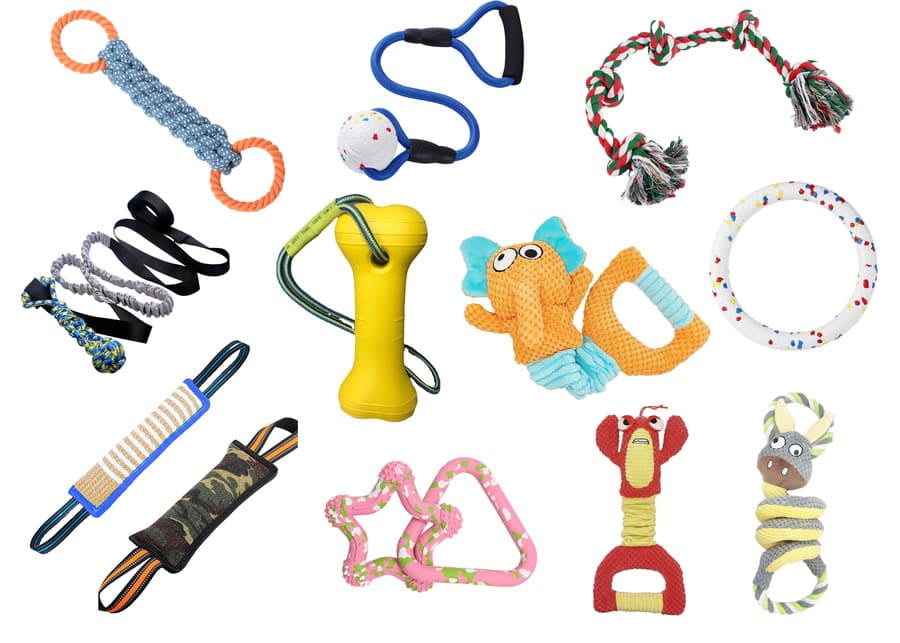
As a pet toy manufacturer with over 10 years of experience, we get asked one question every day: what makes a tug of war toy a best-seller? It’s not about luck. It’s about a deep understanding of what dogs and their owners want, and how to build it. This guide is our playbook. We’re taking you behind the scenes to show you how top-tier toys are really made. We’ll share our internal experience to help you understand the market, choose the right materials, and design your next star product. Let’s get started.
What Are the Most Popular Types of Tug of War Dog Toys on the Market?
Wondering which toy shapes customers actually buy? It’s easy to get lost in the options. You need to know what designs are proven winners before you invest in production.
The most popular tug toys are defined by their shape and play style, not just their material. These include classic ropes, rings, figure-8s, sticks, ball-on-a-rope combos, and plush toys with internal skeletons. Each design offers a unique interactive experience for the dog and owner.
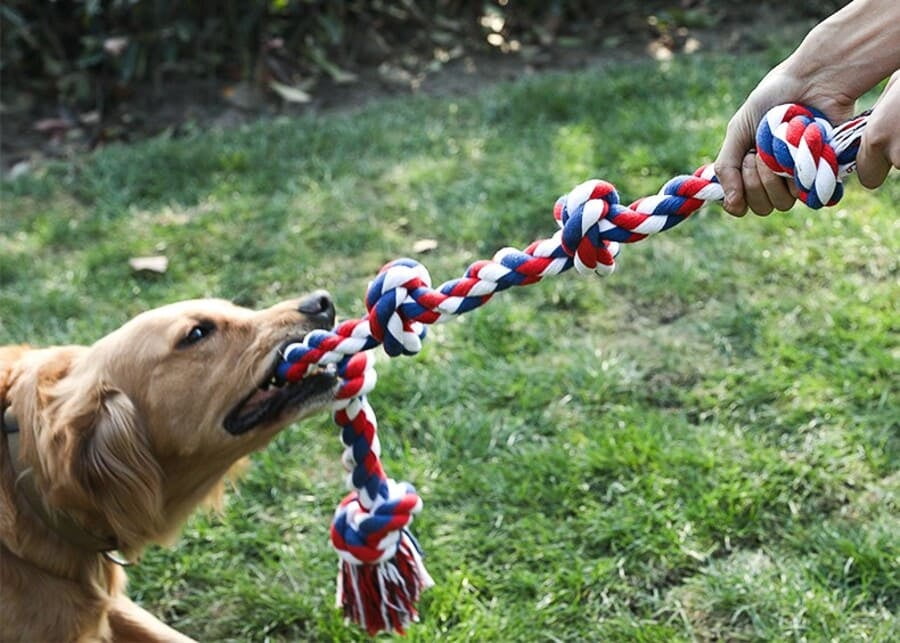
When a customer walks into a store or browses online, the first thing they notice is the toy’s shape. This visual appeal is directly linked to how they imagine playing with their dog. As a brand, you need to offer designs that are both intuitive and engaging. We’ve found that success lies in mastering a few core categories that consistently perform well. These types have become popular because they solve a specific need for the dog or the owner, whether it’s a better grip, multi-functionality, or a safer alternative to natural objects. Understanding these established categories is the first step in developing a product line that resonates with the mass market and creates happy, repeat customers.
A Breakdown of Top-Selling Tug Toy Designs
| Toy Type | Description | Why It’s Popular |
|---|---|---|
| Classic Rope Tugs | The most traditional design, made from one or more ropes woven together, often with knots at the ends for grip. | Affordable, widely available, and offers the added benefit of cleaning a dog’s teeth during play. It’s the classic image of a tug toy. |
| Ring / Hoop Tugs | A single, continuous circle of durable material. This clever design provides a secure and comfortable grip for both human and dog. | Excellent for interaction and easy to hold. Many durable rubber brands have iconic ring toys because the design is simple and effective. |
| Figure-8 / Double-Hoop Tugs | Specifically designed for tug of war, shaped like a number "8" or two connected rings. Each side has a dedicated loop. | This design is "born for tugging." The structure is intuitive and distributes pulling force evenly, making the game more balanced and lasting. |
| Stick / Baton Tugs | A long, stick-like shape made from safe materials, mimicking a dog’s natural love for fetching branches. | Satisfies a dog’s instinct to carry sticks without the risk of splinters or injury. The elongated shape makes it easy for the owner to hold one end. |
| Ball-on-a-Rope Tugs | A simple but brilliant combination of a ball (often rubber or tennis) attached to a sturdy rope. | Highly versatile. It works for both tug of war and games of fetch, offering two play styles in one toy. This high value proposition is a major selling point. |
| Plush Tugs with an Internal Skeleton | A soft, plush toy on the outside with a hidden rope or plastic "skeleton" on the inside for added durability. | Combines a dog’s love for soft textures with the strength needed for tugging. It appeals to dogs who love plushies but also enjoy a good pulling game. |
What Materials Are Actually Used to Make These Toys?
You see "durable" on every label, but what does it mean? Using the wrong material leads to returns and bad reviews. You need to know what really goes into a quality toy.
The most common materials are Cotton/Hemp for ropes, Rubber and TPE for durable shapes, Jute/Ripstop for training gear, Nylon for handles, and Fleece for softer toys. Each has specific properties, pros, and cons that determine its best use in a tug toy.
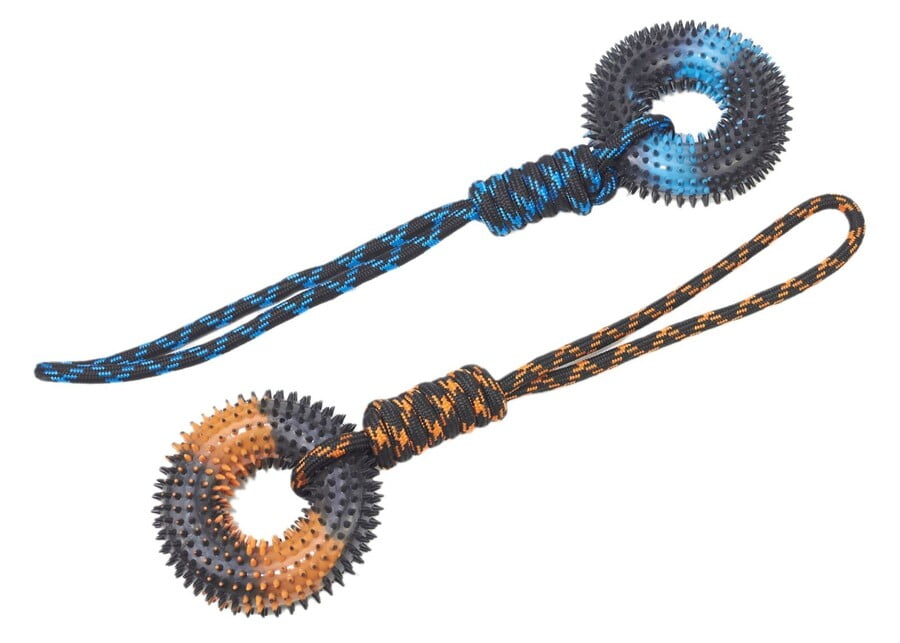
The material is the heart of any dog toy. It dictates the toy’s durability, safety, feel, and even its price point. As manufacturers, we don’t just pick a material; we select it based on the specific function and target audience for the toy. A toy for a powerful chewer needs a different foundation than one for a gentle puppy. Understanding the core characteristics of each material is non-negotiable. This knowledge allows you to make informed decisions, create a safer and more satisfying product for the end-user, and build a brand reputation based on quality and trust, not just marketing claims.
The Manufacturer’s Guide to Toy Materials
| Material | Characteristics & Common Uses | Pros & Cons |
|---|---|---|
| Cotton & Hemp | Natural, flexible fibers used for classic rope tugs. The texture helps clean teeth like floss. | Pros: Eco-friendly, affordable, provides dental benefits. Cons: Can be ingested, leading to blockages. Dries slowly and can harbor bacteria. |
| Rubber | Extremely durable, elastic, and easy to clean. Natural and synthetic formulas offer different levels of toughness. Used for rings, sticks, and other molded shapes. | Pros: Very safe and durable, the top choice for aggressive chewers. Cons: Can be heavy and more expensive to produce. |
| TPE | A modern material blending the elasticity of rubber with the processing ease of plastic. It’s lightweight, often recyclable, and comes in many colors. | Pros: Lightweight, non-toxic, and can be designed to float. Cons: Durability varies greatly by formula, generally less tough than premium rubber. |
| EVA | A soft, lightweight foam material that is waterproof and floats. Commonly used for making floating toys like discs and bumpers, and for toys designed for gentle chewers. | Pros: Very lightweight, floats well, gentle on the mouth. Cons: Not durable. Easily punctured and torn by most dogs, posing an ingestion risk. Supervised play is essential. |
| ETPU | A high-performance, resilient foam made from expanded TPU particles (like in running shoes). Used for premium, lightweight, and extremely bouncy balls and fetch toys. | Pros: Highly durable and tear-resistant for a foam, excellent rebound and bounce, lightweight. Cons: More expensive to produce. Not completely indestructible for extreme shredders. |
| Jute & Ripstop | Jute is a coarse natural fiber used in professional bite tugs. Ripstop is a synthetic fabric with a grid pattern to prevent tears. Both are for heavy-duty interactive toys. | Pros: Extremely durable for pulling and biting during supervised play. Cons: Not chew-proof. Ingested fibers are a serious health risk. Must be used under supervision only. |
| Nylon | Used as strong, abrasion-resistant woven webbing for handles or to connect different parts of a toy (e.g., a rubber ball and a rope). | Pros: Very strong and durable when used for handles and straps. Cons: Hard, solid nylon can damage teeth. Webbing can fray if chewed persistently. |
| Standard Fabric/Fleece | Soft, lightweight materials that are gentle on a dog’s mouth. Used for the outer layer of plush tugs or braided into soft ropes. | Pros: Soft texture, gentle on teeth. Cons: Least durable material. Easily torn, posing a risk of ingesting stuffing or squeakers. Not for strong pullers. |
How Do We Combine Different Materials for a Winning Product?
Your competitors are just gluing parts together. Their toys fall apart. You want to build something better, a product that creates raving fans. But how?
A winning product is born from smart material combinations that enhance function and durability. We achieve this through engineering solutions, like our ‘internal channel’ technique, which protects the toy’s structure during intense play, creating a superior and longer-lasting product.
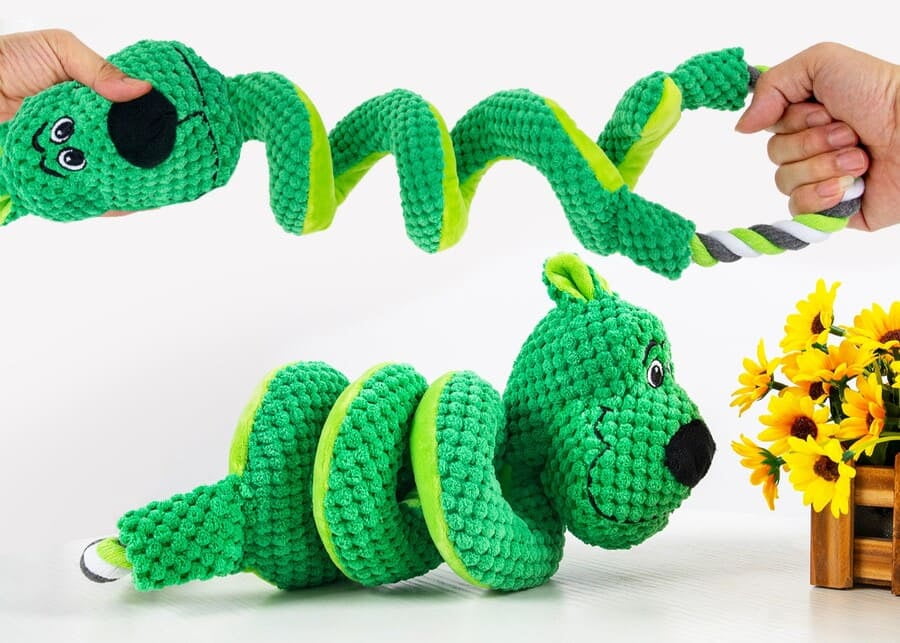
This is where our manufacturing expertise truly shines. Anyone can source materials, but very few understand how to combine them for maximum effect. It’s about creating a synergy where the whole is greater than the sum of its parts. We approach this from three critical angles:
-
Functional Synergy: We use pet behavior science to guide our designs. A toy with a hard TPR bone and soft cotton rope ends isn’t just a toy; it’s a complete solution that satisfies a dog’s need to chew, bite, shake, and pull.
-
Engineering Challenges & Solutions: A common question is, "How do you stop a rope from ripping out of a plush toy?" Our solution is the ‘internal channel’ process. Before stuffing the toy, we sew a separate fabric tunnel inside. The rope passes through this channel, completely isolated from the plush fabric and stuffing. When the dog and owner pull, all the force is transferred directly to the rope itself. The plush body experiences no stress, preventing it from tearing apart. This is a game-changer for durability.
-
Aesthetics & Brand Value: We use material and color combinations to match your brand’s visual identity, making your product stand out on a crowded shelf.
So, How to Choose the Right Material for YOUR Brand?
Feeling overwhelmed by material choices? Picking the wrong one can kill your product before it launches. You need a clear strategy to connect your brand identity to the right raw materials.
First, define your brand’s market position (e.g., eco-friendly, ultra-durable, budget-friendly). Then, select materials that align with that identity and the specific needs of your target dog (e.g., puppy, power chewer). This two-step process ensures your product is authentic and effective.
Choosing the right material is a strategic decision that defines your brand. It’s not just about technical specs; it’s about the story you tell your customers. We guide our clients through a simple, two-step process to ensure they make the perfect choice. This approach moves beyond generic claims and builds a product with a clear purpose and identity. By aligning your materials directly with your brand promise and the end-user’s needs, you create a product that is not only high-quality but also deeply resonant with your ideal customer. This is how you build a loyal following and a successful brand in the competitive pet market.
Step 1: Define Your Market Positioning
Your brand’s core message dictates your material choices. Here’s how we help different brand types succeed:
- The Eco-Conscious Brand: Your story is about sustainability and safety. We recommend natural rubber, organic cotton, hemp, and GRS-certified recycled materials. Our expertise goes deeper: we can adjust the vulcanization process of natural rubber to balance durability with a minimal scent, and we provide full GRS traceability certificates to make your eco-claims 100% verifiable.
- The Performance-Driven Brand: Your promise is ultimate durability for power chewers. We recommend high-density rubber, jute, and 1680D ballistic nylon. The secret is in the construction. We use ‘Cross-Lock Stitching’ with high-tensile Kevlar thread and join parts with ’embedded mechanical locking’ structures, not glue. This ensures your toys can pass pull tests exceeding 100kg.
- The Value-for-Money Brand: You target the mass market in supermarkets, focusing on affordability and safety. TPR, poly-cotton ropes, and standard Oxford fabric are excellent choices. Our key advantage is our supply chain. We secure cost-effective, compliant TPR that meets EU REACH and US CPSIA standards, giving you a competitive edge in major retail channels.
- The Design-Led Boutique Brand: Your product is a lifestyle accessory. This is where our ODM service excels. We helped a client, Chloe from the UK, who wanted to extend her minimalist home decor brand into pet products. We created tug toys using custom Pantone-matched TPR and unique corduroy fabrics that mirrored her brand’s aesthetic. We can create 3D embossed logos and custom-dye ropes to turn your creative vision into a stunning, shelf-ready product.
Step 2: Consider Your End-User’s Specifics
After setting your brand direction, we fine-tune the materials for the dog itself. This ensures the final product is perfectly suited for its intended user.
- For Puppies: We recommend softer TPR formulas and non-toxic cotton to protect their delicate, developing teeth and gums.
- For Senior Dogs: The focus shifts to lighter, easy-to-grip materials that are less strenuous for older dogs to carry and play with.
- For Interactive Play: We ensure the human-held parts, like handles, are made from comfortable materials like polished cotton rope or ergonomic TPR to enhance the owner’s experience.
Let’s Build Your Next Best-Seller Together?
You have a great idea, but turning it into a successful product is a huge challenge. Navigating design, materials, and manufacturing alone is risky and expensive. You need a reliable partner.
We transform your concept into a global best-seller. Our streamlined process, from free consultation to global logistics, makes it easy. Let our expert team become the engine for your brand’s growth and help you build your next hit product.
From a vague idea to a product selling worldwide, Preeminent is the partner that makes it happen. We’ve seen too many great concepts fail due to poor execution. That’s why we’ve perfected a transparent and supportive process. We recently worked with Marco, who owns a chain of 15 pet stores in Australia. He was exhausted from managing nearly a dozen different suppliers for toys, beds, and bowls. We became his single point of contact. We consolidated his entire order, performed rigorous quality control on every item, and optimized the final shipment to cut his freight costs by 20%. Just like we did for Marco, we can simplify your complex procurement process, saving you immense time and money.
Our proven workflow ensures your vision is realized perfectly:
- Concept Discussion (Free Consultation)
- Design & Prototyping
- Material & Cost Optimization
- Lean Manufacturing & Quality Control
- Global Logistics Support
Your next blockbuster tug of war toy is just one conversation away.
Conclusion
Creating a best-selling tug toy requires mastering materials, construction, and design. Partner with an expert manufacturer to turn your vision into a market-leading product that customers and their pets will love.