
The small dog toy market is booming, but it’s filled with generic, unsafe options. You have a brilliant idea for something better, but the path from concept to a safe, profitable product is riddled with overlooked details.
The key to success is focusing on the details that competitors often miss. This means understanding material trade-offs, critical safety dimensions, advanced branding techniques, and how to align every choice with your specific brand positioning and price point. We are here to guide you through it.
As a manufacturer with over a decade of experience, we’ve helped countless brands navigate this process. We’ve seen what works, what fails, and what small details make the biggest difference. The small dog toy market is huge, but it’s also crowded. To win, you need more than just a cute design; you need a strategic partner who understands the nuances of production, safety, and market trends. This guide will share the insider knowledge you need to develop a successful small dog toy line.
What is the market like for small dog toys?
Feeling overwhelmed by the competition in the pet toy space? You see trends come and go, wondering where the real, lasting opportunity is for your brand.
The small dog toy market isn’t just a niche; it’s the mainstream battleground. With over 58% of dog-owning households in key markets like North America and Europe choosing small breeds, this segment represents a massive and highly engaged customer base ready for innovative products.
To truly understand this market, you have to look beyond the numbers and into the mindset of the modern small dog owner. These aren’t just "owners"; they are "pet parents," primarily Millennial and Gen Z women who view their dogs as family members or "fur babies." They make purchasing decisions based on emotion, safety, and aesthetics, not just price. This shift in mindset creates three major business opportunities for your brand.
1. "Anthropomorphism" Drives Premium Value
Because these pets are seen as "children," their parents prioritize safety and quality above all else. They are willing to pay more for toys made from better materials, with more thoughtful designs, and that tell a unique story. This is where custom ODM (Original Design Manufacturing) shines.
For example, we recently worked with "Urban Paws," a boutique pet brand in the UK. The founder, Chloe, wanted to create a line of toys inspired by classic British teatime—a plush teapot, a squeaky scone, and a crinkly biscuit. By tapping into this familiar, comforting ritual, her toys connected with pet parents on an emotional level, allowing her to command a premium price far above generic toys.
2. The "Instagrammable" Economy
Today’s pet parents are active on social media. A toy’s visual appeal—its "Instagrammability"—is a powerful, free marketing tool. Toys with bright colors, unique shapes (like food, plants, or trendy items), and photogenic qualities are more likely to be shared online. This creates organic buzz and drives sales. We help brands design toys specifically for this, considering color palettes and shapes that pop on camera and tell a visual story.
3. Untapped Niche Markets
The term "small dog" covers a wide range of breeds with different needs. This creates opportunities for brands willing to specialize. Think about it:
- Ultra-Gentle Toys: For teacup breeds like Chihuahuas or Yorkies with very delicate jaws.
- Soothing & Calming Toys: For senior small dogs, using softer textures and perhaps a pocket for a calming scent.
- Brain-Boosting Puzzles: For intelligent breeds like Poodles or Terriers who need mental stimulation.
As your manufacturing partner, we can help you identify and develop products for these profitable, less-crowded niches.
What are the best materials for making small dog toys?
Confused by the endless material options for your toy line? Choosing the wrong one can lead to safety issues, low durability, and a product that doesn’t fit your brand.
The best material depends on your brand’s target price, desired durability, and safety promise. From soft plush for comfort to durable TPR for chewing, each choice involves a trade-off between cost, feel, and function. Understanding these differences is crucial for product success.
Choosing a material isn’t just a technical decision; it’s a brand decision. We guide our clients through this process by acting as their dedicated materials consultant. It’s not just about "plush" or "rubber"; it’s about the specific grade, texture, and properties that will bring your vision to life safely and cost-effectively. Below is a breakdown of common materials to help you make an informed choice.
| Material Type | Advantages | Disadvantages | Best For Brand Positioning |
|---|---|---|---|
| Plush Fabrics | Soft, comforting, great for cuddling & gentle play. Wide variety of textures (Crystal Soft, Corduroy, Sherpa). | Not for aggressive chewers. Can be torn, filling can be a mess. | Boutique & Premium: Ideal for creating "character" or "companion" toys with high emotional appeal. |
| Natural Rubber | Extremely durable, bouncy, great for active chewers. Can be molded into complex shapes for dental cleaning. | Heavier than other materials. Can have a distinct rubber smell initially. | Performance & Health-Focused: Perfect for brands emphasizing durability, dental health, and long-lasting play. |
| Latex | Softer and more flexible than rubber, lightweight. Often has a distinct squeak that dogs love. | Less durable than solid rubber. Not suitable for strong chewers. | Mass-Market & Novelty: Great for fun, squeaky, and budget-friendly character toys with bright colors. |
| Cotton Rope | Great for tug-of-war and chewing. Helps clean teeth naturally. Can be dyed in brand colors. | Can fray over time and fibers can be ingested if not supervised. | Eco-Conscious & Classic: Appeals to owners looking for natural materials and interactive play. |
| Nylon | Extremely tough and long-lasting, designed for the most powerful chewers. | Very hard material, may not be suitable for all small dogs or senior dogs. | Extreme Durability: For brands targeting "power chewer" niches, even within small breeds like Terriers. |
| TPR (Thermo-Plastic-Rubber) | Versatile, durable, and floats on water. Can be made in various densities and colors. Food-grade safe. | Manufacturing requires specific molds, initial setup cost can be higher. | Innovative & Multi-Functional: Excellent for creating fetch toys, water toys, and puzzle feeders. |
We also pay close attention to the internal components. The choice between high-loft PP cotton, crinkle paper, various squeakers, or even a solid TPR ball inside a plush shell completely changes the play experience. We even offer "stuffing-free" designs that are durable, easy to clean, and eliminate the mess of scattered filling.
What size and shape of toys are best for small dogs?
Worried about creating a toy that’s unsafe or unappealing? A toy that’s too big is ignored, but one that’s too small can be a deadly choking hazard.
The perfect toy for a small dog is easy for them to carry in their mouth but impossible to swallow. All parts must pass the "Small Parts Cylinder" test, ensuring no component is smaller than 3.17cm in diameter and 5.71cm in length.
Beyond safety, the shape of a toy directly influences how a dog plays with it, and its manufacturing cost. As your production partner, we analyze this from both a pet behavior and a factory-floor perspective to help you create the ideal product.
The Safety Red Line: Preventing Swallowing
This is the most critical and overlooked detail. The "Small Parts Cylinder" is an industry-standard tool used to simulate a child’s (and by extension, a small pet’s) throat. If any part of a toy or any piece that could break off fits inside this cylinder, it is a choking hazard and the design must be rejected. We apply this rule rigorously to every product we develop, from the main body of the toy to any attached limbs or features. This non-negotiable safety standard protects the pet and your brand.
Matching Shape to Play Style
Different shapes encourage different behaviors. Understanding this helps you design a toy that is not just cute, but truly engaging.
- Long, Skinny Shapes (e.g., sticks, snakes): These are perfect for shaking and light games of tug. The elongated form is easy for a small dog to grab and whip around.
- Round Shapes (e.g., balls, discs): These are ideal for fetching and chasing. Their unpredictable bounce adds excitement to the game.
- Flat, Soft Shapes (e.g., unstuffed animals, comfort blankets): These often become "comfort objects" or "cuddle buddies" that a dog will carry around or sleep with.
How Shape Affects Your Cost
From a manufacturing standpoint, shape complexity directly impacts your final cost.
- Simple Shapes (balls, bones): These require less material, fewer sewing steps, and can be produced more quickly. This results in a lower unit cost, making them ideal for mass-market or price-sensitive lines.
- Complex Shapes (e.g., octopus with 8 legs, characters with intricate clothing): Each additional seam, limb, or embroidered detail adds labor time and cost. While these designs can be highly unique and command a higher retail price, it’s a trade-off between manufacturing complexity and brand value that we help you navigate.
What toy features do small dogs and their owners like most?
Trying to design the "perfect" toy? It’s easy to get lost in adding features, but what do dogs and their paying owners actually want in a toy?
Dogs are drawn to multi-sensory experiences like varied textures and sounds. Owners, however, prioritize safety, durability, convenience (like being machine-washable), and features that allow for interactive play. A successful toy must appeal to both.
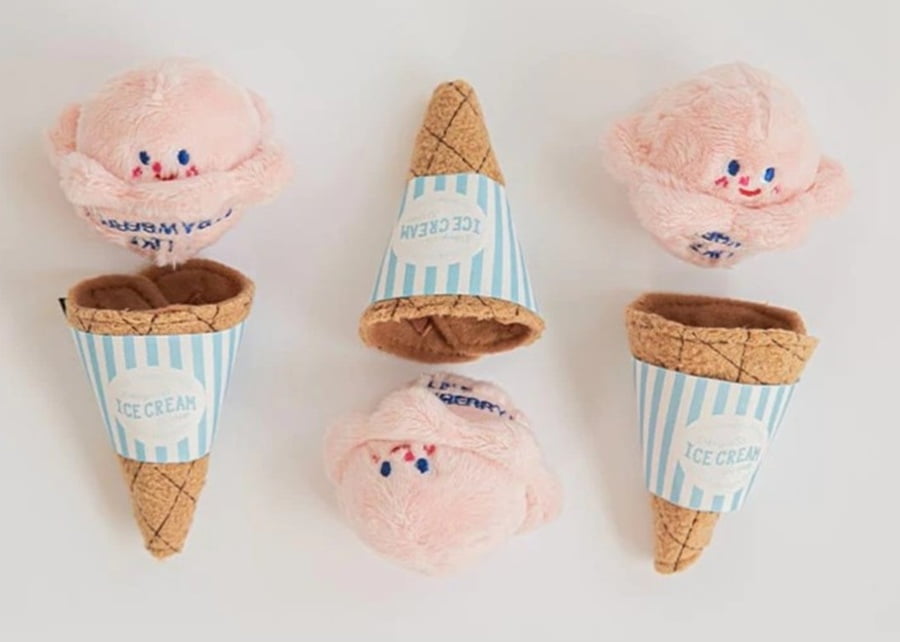
For over a decade, we’ve gathered feedback and analyzed sales data to understand what truly makes a toy a bestseller. The secret is to design with two different end-users in mind: the dog who will play with it and the human who will buy it. Here’s a breakdown of the features that win over each of them.
Features That Excite Small Dogs
A dog’s primary motivation is instinct and sensory stimulation. To capture their attention, a toy should offer a rich experience.
- Multiple Textures: Combining different materials, like a soft plush body with durable canvas ears and a rope tail, keeps a dog engaged and interested.
- Layered Sounds: A toy with both a high-pitched squeaker and crinkly paper inside provides varied auditory feedback, making playtime more exciting.
- Easy Grip Points: Features like ears, tails, knots, or limbs make it easy for a small mouth to grab, carry, and toss the toy.
Features That Win Over Owners
While the dog’s enjoyment is important, the owner makes the final purchase. Their decision is based on practical and emotional factors.
- Durability & Safety: This is paramount. Owners want a toy that will last, providing good value for their money. Most importantly, it must be safe, with no small parts to swallow and made from non-toxic materials. We achieve this with reinforced seams and embroidered details instead of plastic parts.
- Machine Washable: A huge selling point for hygiene-conscious pet parents. This requires strong stitching and high-quality internal fillings that won’t clump after washing, a standard we build into our products.
- Quiet or Silent Squeakers: An amazing innovation for owners who work from home or dislike constant noise. Ultrasonic squeakers are pitched at a frequency only dogs can hear, providing all the fun for the dog with none of the annoyance for the human. This is a fantastic differentiator.
- Interactivity & Enrichment: Toys that double as puzzles, like those with hidden pockets for treats, are highly valued. They provide mental stimulation for the dog and create a bonding activity for the owner and their pet.
- Aesthetic Design: Owners appreciate toys that look good in their home. Thoughtful color choices and designs that match a modern home decor are more likely to be purchased and left out, increasing brand visibility.
What designs should be avoided for small dog toys?
Building a brand means building trust. A single safety incident with a poorly designed toy can destroy your reputation and lead to costly recalls. What are the hidden dangers?
Absolutely avoid any design that uses hard plastic eyes or noses, glue, bells, or long, thin ribbons. These are major choking and ingestion hazards. The safest and most professional alternative for all facial features and details is always high-quality embroidery.
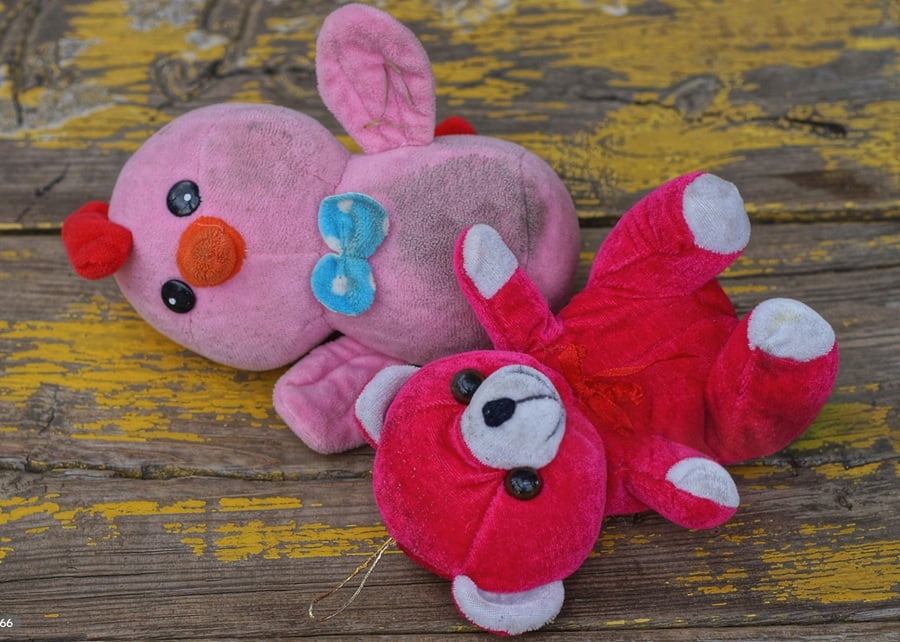
As a responsible manufacturer, our top priority is safety. We operate with a strict "risk avoidance" checklist for every design that comes through our doors. Protecting the pets that use our products is non-negotiable, and it’s the foundation of a trustworthy brand. Here are the design elements we will always steer you away from, and the safe solutions we provide instead.
The Manufacturer’s Risk-Avoidance Checklist
-
DANGER: Hard Plastic Eyes & Noses
- Risk: These are easily chewed off, even by small dogs, and become immediate choking hazards.
- Our Safe Solution: We use 100% embroidery for all facial features. It is completely integrated with the toy, impossible to detach, and allows for detailed, expressive designs. This is a mark of a high-quality, safety-conscious product.
-
DANGER: Glued-On Parts
- Risk: Glue can contain toxic chemicals and will fail under a dog’s persistent chewing and saliva, allowing parts to be swallowed.
- Our Safe Solution: We use zero glue. All components, from ears to tails to decorative patches, are securely stitched with high-tensile thread and reinforced seams.
-
DANGER: Long, Thin Strings, Ribbons, or Cords
- Risk: These pose a serious risk of entanglement or can be ingested, causing dangerous internal blockages.
- Our Safe Solution: If a design requires a rope or cord element (like for a tug toy), we use thick, durable rope and ensure it is attached with robust, reinforced stitching that is integrated into the toy’s main structure.
-
DANGER: Internal Bells
- Risk: Small metal bells inside a toy are a ticking time bomb. Once the toy is compromised, the bell can be easily swallowed.
- Our Safe Solution: We use internal squeakers and crinkle paper to provide auditory stimulation. These are made from pet-safe materials and are much larger, preventing ingestion risk.
-
DANGER: Painted or Coated Surfaces
- Risk: Paints and coatings can chip off and be ingested, and may contain lead or other toxic substances.
- Our Safe Solution: We achieve color through the material itself (e.g., dyed fabric, colored rubber). If any printing is required, we use only non-toxic, food-grade inks and provide the necessary safety reports for your peace of mind.
How do I create a toy that fits my brand’s price point?
Worried about cost? It’s a common fear that creating a custom toy will be too expensive, forcing you to compromise on quality or your profit margin.
The price of a toy isn’t just its manufacturing cost; it’s determined by the value it delivers to your target customer. We help you create the highest-value product for your specific audience by strategically selecting materials, features, and processes that align with your brand’s positioning.
When a new client comes to us, our first question isn’t "What’s your budget?" It’s "Who is your customer?" A toy for a mass-market supermarket chain has very different requirements than a toy for a high-end online boutique. Our job is to act as your strategic partner, helping you navigate the trade-offs to build a product that is both profitable and perfectly suited to your market. We start by identifying your brand’s profile.
Step 1: Identify Your Brand Profile
- The Mass-Market Player (e.g., Supermarket Chains): Your goal is high volume and competitive pricing. Your customer is price-sensitive. The product needs to be safe, appealing, and cost-effective.
- The Boutique E-commerce Brand: Your goal is brand storytelling and higher profit margins. Your customer values unique design, quality materials, and an "Instagrammable" aesthetic.
- The Premium Brand Extender: Your goal is to uphold a luxury image and innovate. Your customer is a loyal fan who expects top-tier quality and unique features. This was the case for Marco, a Canadian coffee brand owner who came to us to create a plush "Puppuccino cup" toy. He needed a unique product to engage his customers’ pets, and the quality had to match his premium coffee brand.
Step 2: Use Our Strategic Menu to Build Your Product
Once we know your brand profile, we can select the right "ingredients" from our extensive library of materials and processes. The table below shows how we tailor products for different brand strategies.
| Brand Positioning | Mass-Market Player | Boutique E-commerce Brand | Premium Brand Extender |
|---|---|---|---|
| Strategy Goal | Cost Leadership, High Volume | Design-Driven, Value Premium | Innovation Leader, Brand Halo |
| Material Strategy | Plush: Standard Crystal Soft Plush, Canvas. Rubber/TPR: Standard Synthetic Rubber, Single-Color TPR. Rope: Poly-Cotton Blend Rope. |
Plush: Corduroy, Sherpa, Cotton-Linen Blends. Rubber/TPR: Natural Latex, Dual-Color TPR. Rope: 100% Cotton Rope, Plush/Rope Combo. |
Plush: GOTS Organic Cotton, rPET Recycled Fabric. Rubber/TPR: Food-Grade Natural Rubber, TPR Skeleton w/ Plush Skin. Rope: Plant-Dyed Cotton. |
| Feature Strategy | Loud, single squeaker. | Squeaker + Crinkle Paper combo, simple treat-hiding pockets. | Silent Squeaker, complex puzzle designs, replaceable parts. |
| Craftsmanship | Simple designs, standard stitching, efficient molding. | Medium complexity, embroidered logos, reinforced stress points. | Complex structures, fine embroidery, multi-material injection molding. |
| Packaging | Simple hang tag or OPP bag. | Custom branded backer card, eco-friendly paper wrap. | Premium gift box packaging, biodegradable materials. |
Creating a toy that fits your price point is a strategic process, not a guessing game. You don’t need to be an expert in materials science or manufacturing—that’s our job. Tell us your brand story and your goals, and we will provide the complete roadmap to create a product that delights your customers and grows your business. Remember, order quantity also plays a key role in the final unit cost, and we will work with you to find the most efficient production plan.
What are the different ways to add a logo to small dog toys?
Wondering how to make your brand stand out? Simply putting a logo on a toy isn’t enough; the method you choose says a lot about your brand’s quality and commitment to safety.
The best way to add a logo depends on the toy’s material and your brand’s image. Embroidery is the safest and most premium option for plush toys, while mold-in logos are the most durable choice for rubber and TPR toys.
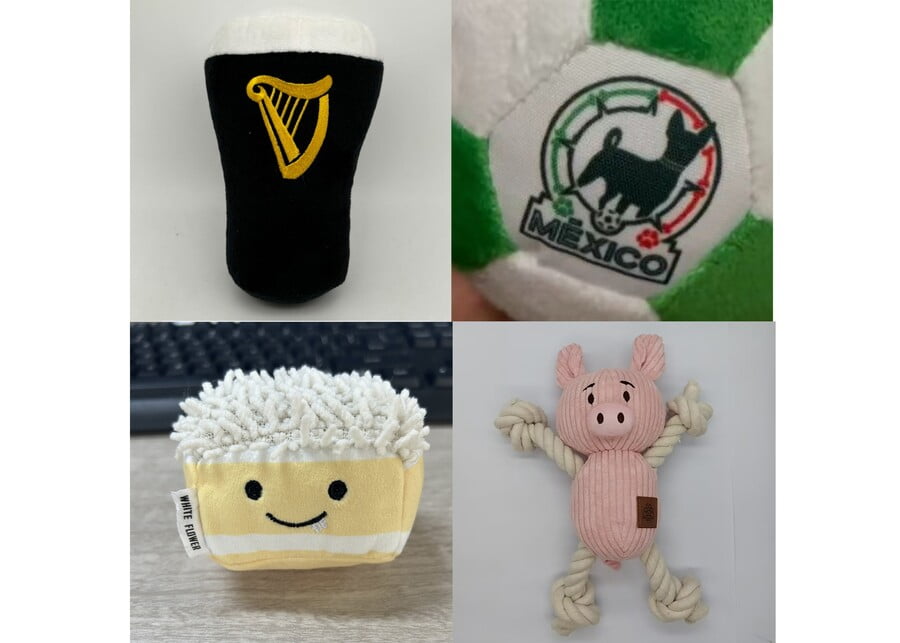
A logo is more than just a mark; it’s a promise to your customer. As your manufacturing partner, we help you build a complete brand identity across your products, ensuring the method is not only visually appealing but also durable and completely pet-safe. Here’s how we approach branding across different materials.
On Plush Toys
This is the most versatile category for branding.
- Embroidery: This is our top recommendation. The logo is stitched directly onto the fabric, becoming an integral, indestructible part of the toy. It’s 100% safe and conveys a premium, high-quality feel.
- Woven Label: A pre-made fabric label is sewn into a seam. This is great for detailed logos and is very cost-effective. Our expertise lies in the stitching—we use reinforced techniques to ensure the label cannot be torn off.
- Heat Transfer: This method prints complex, multi-color designs onto the fabric. We use this cautiously, insisting on high-quality, non-toxic transfers that are stretchable and wash-resistant to prevent cracking and ingestion risks.
- Patches (Leather/Rubber): A sewn-on patch can create a rugged or retro look, instantly elevating the perceived value. We ensure the patch material is non-toxic and the stitching is exceptionally secure.
On Rubber & TPR Toys
Branding on these materials is all about durability.
- Mold-In Logo (Embossed/Debossed): This is the best method. We engrave your logo directly into the production mold, so it becomes a permanent, physical feature of the toy. A debossed (indented) logo can even double as a texture for dental cleaning or for holding treat paste.
- Pad/Screen Printing: Used for applying colored logos. Our absolute requirement is the use of non-toxic, food-grade inks that are certified safe. We also perform rigorous adhesion tests to ensure the logo doesn’t scrape or lick off.
On Cotton Rope & Latex Toys
These materials require specialized approaches.
- For Rope Toys: A securely stitched Woven Label at the base of the rope is the standard. For a more subtle, high-end approach, we can custom-dye the rope to match your brand’s Pantone colors, making the product instantly recognizable.
- For Latex Toys: Like rubber, Mold-In Logos are the best choice. For artisanal or boutique brands, we also offer Hand Painting with certified non-toxic, food-grade pigments, giving each toy a unique, handcrafted appeal.
| Material | Best Choice | Alternative | Key Consideration |
|---|---|---|---|
| Plush | Embroidery | Woven Label | Texture, Durability, Absolute Safety |
| Rubber/TPR | Mold-In Logo | Pad Printing | Permanence, Ink Safety Certification |
| Rope | Woven Label | Custom Color Dye | Stitching Strength, Brand Integration |
| Latex | Mold-In Logo | Hand Painting | Pigment Safety Certification |
What’s The Difference Between OEM and ODM?
Heard the terms OEM and ODM but not sure which is right for you? Choosing the wrong path can waste time and money, and may not result in the product you truly need.
OEM (Original Equipment Manufacturer) is when you add your brand to our existing, market-proven product designs. ODM (Original Design Manufacturer) is when we collaborate with you to design and build a completely new and unique product from your idea.
Understanding the difference is key to launching your product line efficiently. We offer both services, and the best choice depends entirely on your business goals. Let’s explain with two common client scenarios.
OEM: Fast, Efficient, and Low-Risk
OEM, or what we often call "private label," is perfect for businesses that want to quickly expand their product offerings with proven sellers.
Client Example: Think of Sophie, who runs a chain of pet supply stores in Australia. She needs a broad range of quality toys to fill her shelves but doesn’t have the time or resources for new product development. She reviews our catalog of best-selling toys, selects 15 designs, and we produce them with her "Paws & Play" logo and packaging.
- Her Goal: Get a variety of reliable products to market fast.
- Our Solution: Provide a curated selection of proven designs for her to brand as her own.
- Keywords: Private Label, Proven Products, Speed to Market.
ODM: Unique, Innovative, and Brand-Building
ODM is for brands that want to create something that doesn’t exist yet—a unique product that embodies their specific brand story.
Client Example: Consider Marco, the owner of a popular chain of coffee shops in Canada called "The Daily Grind." He noticed many customers brought their dogs. He came to us with an idea: create a unique dog toy that looks like his brand’s signature coffee cup. He provided the concept, and our design and engineering team worked with him to turn it into a safe, durable, and squeaky plush toy.
- His Goal: Extend his coffee brand into the pet space with a unique, memorable product.
- Our Solution: Collaborate on design, materials, and safety to bring his unique vision to life.
- Keywords: Custom Design, Brand Extension, Unique Concept.
Whether you need the speed and efficiency of OEM or the creative innovation of ODM, we have the expertise and infrastructure to be your trusted partner.
Ready to Build Your Custom Small Dog Toy Line?
Feeling inspired and ready to take the next step? Don’t let uncertainty about the process hold you back from creating your next bestseller.
Transforming your idea into a successful product line is our specialty. From initial concept to mass production, we manage every detail—design, material sourcing, safety testing, and branding—to ensure your vision is realized perfectly and professionally.
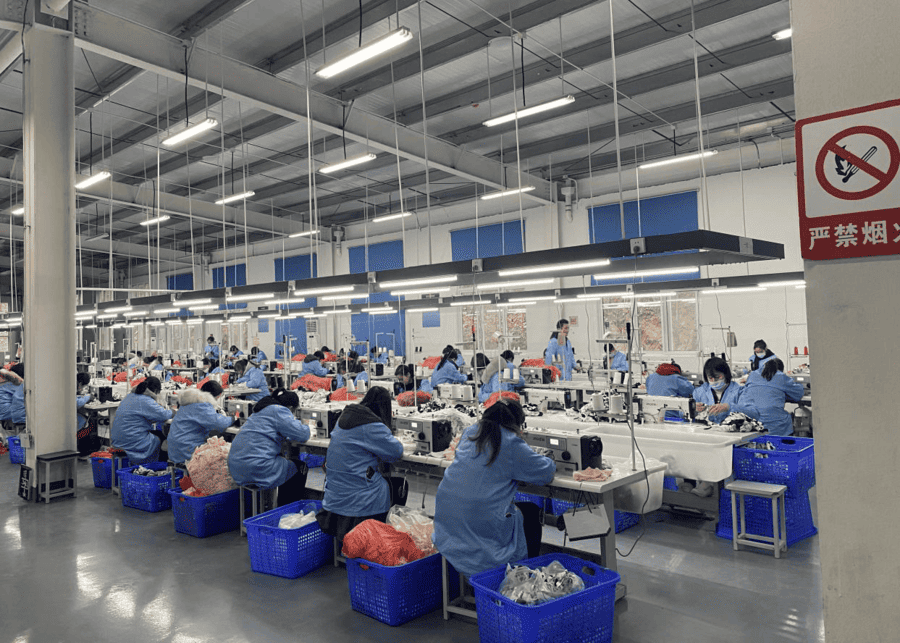
You don’t need to be a manufacturing expert to build a successful pet brand. You just need the right partner. We’ve guided brands of all sizes, from entrepreneurs with a single great idea to large retail chains needing a reliable supply of quality products. Our dedicated team provides one-on-one support to make the process simple and transparent.
Let’s work together to create safe, engaging, and beautiful toys that small dogs and their owners will love.
Conclusion
Success in the small dog toy market comes from mastering the details: prioritizing safety, understanding your customer, and choosing a manufacturing partner who can turn your vision into reality.