
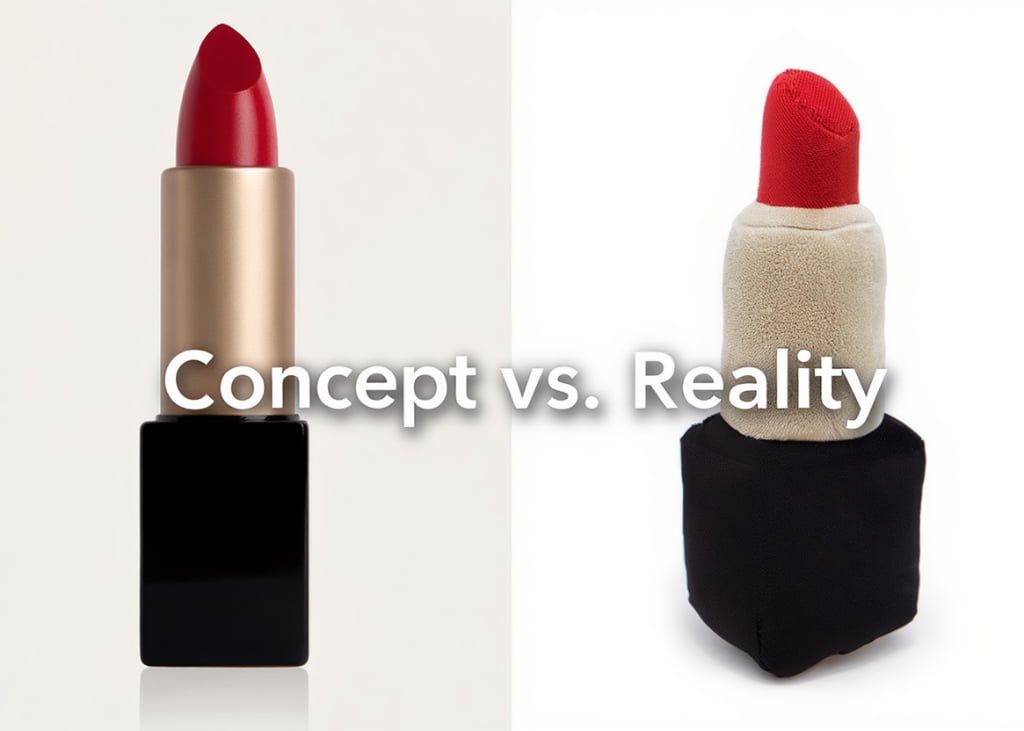
Plush dog toys are the heart of the dog supplies industry, yet they are the hardest to manufacture correctly. One review stating "My dog ate this in 5 minutes" can destroy your product listing instantly.
Creating a successful plush dog toy requires balancing aesthetic appeal with structural integrity. This guide covers the entire OEM process, from leveraging "Pet Humanization" trends and selecting high-GSM fabrics to engineering internal mesh reinforcement and navigating safety compliance. We ensure your design survives the journey from sketch to the dog’s mouth.
Many brands fail because they treat plush dog toys like human toys, ignoring the destructive nature of the end user. If you want to build a brand known for quality rather than landfill filler, you need to understand what happens inside the factory.
Market & Functionality
Before we cut a single piece of fabric, we must define why this toy exists. A cute design without a clear function or market fit is just a decoration, not a pet product.
Successful product development starts with "Trend Jacking," such as the current Pet Humanization wave where toys mimic human items like lattes or pickleball paddles. You must also define the toy’s purpose—whether it is for comfort, tugging, or mental stimulation—to select the right materials for your target audience.

We often see clients come to us with a drawing that looks great but has no clear function. As a manufacturer, I always tell my clients: we need to look at the market first. Right now, the biggest opportunity is Pet Humanization. Owners want their dogs to participate in their lifestyle.
For example, I recently worked with a client named Lucas who runs a lifestyle brand for active owners. He didn’t just want a bone shape; he wanted a "Gym Rat" collection featuring plush dumbbells and kettlebells. This is trend jacking at its best. However, design is only half the battle. We had to define the Interaction vs. Comfort balance.
- Comfort Toys: Soft, low-pile fabric, usually for sleeping.
- Tug Toys: Requires rope integration and reinforced seams.
- Squeaky/Puzzle Toys: Needs pockets for treats or specific noise-makers.
For a detailed breakdown of toy types, read our guide on [4 Types of Plush Dog Toys Every Pet Brand Should Stock: A Market Guide].
We also need to analyze the Target Audience. A toy designed for a teething puppy needs soft, textured fabric to soothe gums, while a toy for an aggressive chewer needs a completely different internal structure. If you market a comfort toy to the owner of a Pitbull without the right warnings or construction, you are asking for bad reviews.
| Target Audience | Key Feature Needed | Recommended Design Approach |
|---|---|---|
| Puppies | Softness & Texture | Crinkle paper, soft embroidery, no small parts. |
| Adult Dogs | Engagement | Loud squeakers, interactive shapes. |
| Aggressive Chewers | Durability | Minimal limbs, reinforced seams, heavy-duty liners. |
Material Science
The difference between a premium toy and a cheap knockoff usually comes down to the fabric’s weight and the stuffing’s density. You cannot build a house on a weak foundation.
Material science in pet toys revolves around GSM (grams per square meter). Higher GSM fabrics like Corduroy or Oxford cloth resist teeth better than standard plush. Inside, the choice between high-density PP cotton, crinkle paper, or specific squeakers determines the toy’s "mouthfeel" and engagement level.
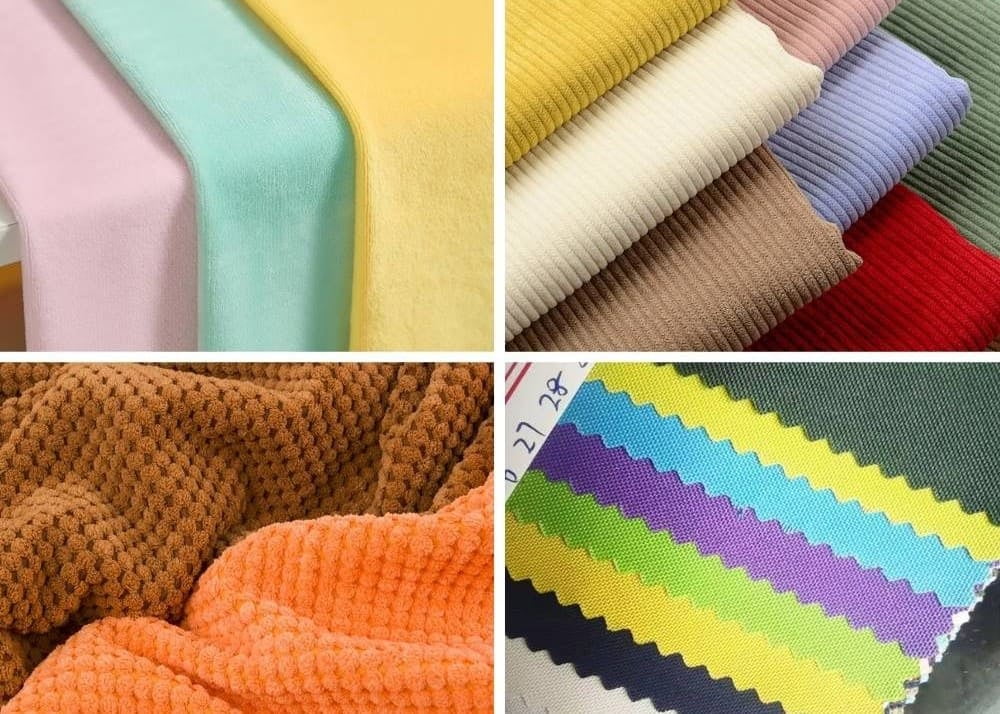
When you touch a sample and it feels "cheap," that is usually a low GSM (Grams per Square Meter) issue. In my factory, we push clients away from standard low-weight plush and toward functional fabrics.
The Outer Shell: Fabric Options
- Crystal Ultra-soft: Great for comfort, but not durable.
- Corduroy & Canvas: Excellent for friction resistance.
- Pineapple Fleece: The textured grid pattern helps clean teeth while the dog chews.
- Oxford Cloth: The gold standard for toughness, often used in "tactical" style toys.
Not sure which fabric to choose? Check our [Plush Dog Toy Fabric Guide: How to Choose Best Materials for Durability & Cost?].
What’s Inside Matters
It is not just about the skin; it is about the guts. We use high-density PP Cotton (Polyfill). Cheap manufacturers use loose, recycled fill that clumps up after one wash. We also integrate Squeakers and Crinkle Paper.
I remember a project for a client named Sarah. She wanted a "silent" toy for office dogs. We replaced the standard high-pitch squeaker with a deep-tone grunter and used heavy crinkle paper. It provided feedback to the dog without annoying the humans. This level of material customization is what separates a generic product from a brand-building product.
Explore different [Stuffing Options & Squeaker Types] to enhance your toy’s value.
Engineering for Durability
"Indestructible" is a marketing term, but "highly durable" is an engineering reality. This is the number one concern for B2B buyers who want to avoid returns and complaints.
To make a plush toy last, we use reinforced stitching techniques like double stitching and internal nylon webbing at the seams. We also add a hidden layer called a Chew Guard Liner—usually mesh or nylon—bonded to the outer fabric to prevent teeth from puncturing the core immediately.

Let’s be honest: if a dog wants to destroy something, they will. But our job is to make that difficult. We use specific engineering techniques to extend the life of the toy.
The Problem: Dogs rarely bite through the middle of a fabric; they go for the weak points—the seams and the limbs.
Our Solution: We create an internal skeleton.
1. Reinforced Stitching Techniques
We don’t just sew the edges. We use Double Stitching on all stress points. For our high-end clients, we add a layer of nylon webbing inside the seam. You can’t see it from the outside, but when the dog pulls, the force is taken by the nylon tape, not the fabric thread. This prevents the toy from ripping open during a game of tug-of-war.
2. The Secret Layer: Chew Guard Liners
This is a game-changer. We laminate a layer of heavy-duty mesh or ballistic nylon directly to the back of the soft outer fabric. Even if the dog’s tooth pierces the soft fur, it gets stopped by the mesh grid.
3. Design Hacks for Longevity
I often advise clients to change their shape. A toy with long, thin legs is a target. A dog will rip that leg off in minutes. We suggest "integrated" designs where limbs are part of the main body or using thick rope knots instead of stuffed limbs.
Learn more about our [Durability Engineering Technologies] for heavy-duty plush dog toys.
The OEM Production Process
Turning a concept into a physical product is a systematic process. Understanding this workflow helps you plan your launch timeline and manage expectations regarding costs and delivery.
The process moves from prototyping (7-10 days) where we convert 2D sketches into 3D patterns, to mass production. This involves precise cutting, embroidery, stitching, and stuffing. Crucially, every unit undergoes rigorous Quality Control, including pull tests and metal detection, to ensure safety and consistency.

Many buyers think they just send a picture and get a product. In reality, there is a lot of science involved in the Prototyping phase.
From Sketch to Sample
You send us a 2D drawing or even just a concept like "a plush avocado." Our pattern makers then have to translate that into flat fabric shapes that, when sewn and stuffed, become a 3D avocado. This usually takes 7-10 days. We often go through 2-3 rounds of revisions to get the expression and shape exactly right.
Mass Production & Quality Control (QC)
Once you approve the sample, we move to mass production.
- Cutting: Laser or die-cutting fabric for precision.
- Embroidery/Printing: Applying eyes and logos before assembly.
- Stitching & Stuffing: The manual assembly phase.
- Closing: Hand-sewing the final opening (the most delicate part).
The Critical Step: QC
We don’t just look at the toys. We torture them. We perform a Pull Test to ensure eyes and limbs don’t detach under force. Finally, every single toy passes through a Metal Detector. Needles can break during sewing, and leaving a needle fragment inside a dog toy is a nightmare scenario we ensure never happens.
See the full step-by-step [Custom Plush Dog Toy Production Process].
Compliance & Package & Logistics
The final hurdle is ensuring your product is legal to sell and looks professional on the shelf. Packaging is not just a container; it is your brand’s silent salesman.
We ensure all products meet global safety standards like ASTM and EN71. Beyond safety, we provide tailored packaging solutions—from hang tags and header cards to premium display boxes and zipper bags—ensuring your brand stands out while protecting the product during transit.
Safety is non-negotiable. If you are selling in the US or Europe, your products must meet ASTM or EN71 standards. The biggest risk in plush toys is "small parts"—plastic eyes or noses that a dog could swallow.
We conduct tension tests on all hard attachments. However, for maximum safety, I often recommend clients use embroidery for eyes instead of plastic parts. It eliminates the choking hazard entirely and often looks higher quality.
Elevating Brand Value with Custom Packaging
Unlike generic manufacturers who just throw products into a box, we understand that packaging defines the unboxing experience. We offer a full range of customization options to suit your sales channel:
- For Retail Stores (Hang Tags & Header Cards): If your product will hang on a rack, we design sturdy Header Cards (paper cards folded over the top) or Hang Tags with your brand story and barcode. This is essential for visibility in pet shops.
- For E-commerce (OPP & Zipper Bags): To protect against dust and moisture in warehouses (like Amazon FBA), we use high-clarity OPP Bags or reusable Zipper Bags. We can print safety warnings directly on the bag to save you labeling time.
- For Premium Sets (Color Boxes & Drawstring Bags): For high-ticket items or gift sets, we produce custom Color Boxes or fabric Drawstring Bags. This adds a premium feel that justifies a higher price point.
A Note on Logistics:
We generally avoid vacuum compression for dog toys because it can damage internal squeakers and permanently deform the plush structure. Instead, we optimize the master carton size to fit the maximum number of units without crushing them, balancing shipping costs with product integrity.
Conclusion
Manufacturing a successful plush toy requires a perfect blend of market insight, material science, and rigorous engineering
Ready to start your project? Send us your design for a free consultation.